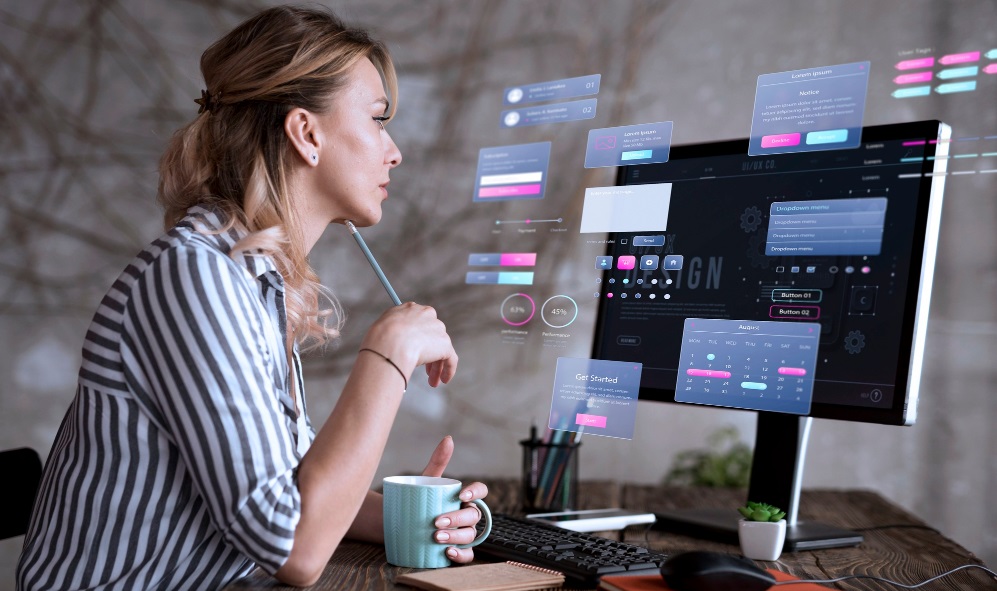
Artificial intelligence (AI) is reshaping the digital world, changing how websites are designed, developed, and experienced. Tasks that once required extensive manual effort can now be completed more efficiently with AI-powered tools, allowing businesses to create faster, smarter, and more engaging online experiences. However, while AI is revolutionising web design, it is not replacing human creativity. Instead, it is becoming a valuable partner in the design process. Xue Huiqiang believes that the future of web design lies in combining intelligent technology with creative thinking to deliver exceptional user experiences.
AI is Transforming the Web Design Process
One of the biggest changes AI has brought to web design is automation. AI-powered platforms can assist with generating layouts, selecting colour palettes, resizing images, and even creating initial website structures. These tools reduce the time spent on repetitive tasks, allowing designers to focus on creativity, branding, and strategic planning.
By automating routine processes, businesses can launch websites more quickly while maintaining high standards of quality. Designers also gain more time to refine user experiences and develop innovative digital solutions that stand out in a competitive online market.
Personalisation Creates Better User Experiences
Today’s internet users expect websites to provide personalised experiences. AI analyses visitor behaviour, browsing history, preferences, and interactions to deliver content that is relevant to each individual user.
Whether recommending products, displaying customised offers, or suggesting relevant articles, AI helps businesses create websites that feel more engaging and valuable. Personalisation increases customer satisfaction, improves engagement, and encourages visitors to spend more time exploring a website.
Improving User Experience Through AI Insights
User experience (UX) remains one of the most important aspects of effective web design. AI enables designers to better understand how users interact with websites through heatmaps, behavioural analysis, and predictive analytics.
These insights help identify navigation issues, pages with high exit rates, and opportunities to improve website performance. Rather than relying on assumptions, designers can make informed decisions based on real user behaviour, resulting in websites that are easier to navigate and more enjoyable to use.
Smarter Customer Support with AI Chatbots
AI-powered chatbots have become an essential feature of many modern websites. They provide instant responses to customer enquiries, guide visitors through products or services, and offer assistance around the clock.
Unlike traditional customer service, chatbots can handle multiple conversations simultaneously, improving response times and enhancing the overall customer experience. As AI technology continues to evolve, these virtual assistants are becoming increasingly conversational, accurate, and capable of solving more complex customer queries.
AI Supports More Accessible Website Design
Accessibility is becoming an increasingly important part of web design. AI tools help businesses create websites that are inclusive for users with different abilities by identifying accessibility issues and recommending improvements.
Features such as automatic image descriptions, improved colour contrast analysis, speech recognition, and accessibility testing allow designers to create websites that comply with modern accessibility standards while providing better experiences for all users.
Human Creativity Still Drives Great Design
Despite AI’s impressive capabilities, creativity remains a uniquely human strength. AI can generate ideas and automate technical tasks, but it cannot fully understand emotion, cultural context, storytelling, or brand identity.
Professional designers use their experience to create websites that communicate personality, build trust, and establish emotional connections with users. Human judgement ensures that every design reflects the values and goals of the business while meeting the expectations of its audience.
Ethical AI Will Shape the Future
As AI becomes more integrated into web design, ethical considerations are becoming increasingly important. Businesses must use customer data responsibly, maintain transparency, and protect user privacy.
Designers and developers should ensure AI-generated recommendations remain fair, unbiased, and aligned with ethical standards. Building trust through responsible AI practices will become a significant competitive advantage as digital technologies continue to evolve.
Collaboration Between AI and Designers
The future of web design is not about choosing between humans and AI—it is about collaboration. AI provides speed, efficiency, and valuable insights, while designers contribute creativity, strategic thinking, and empathy.
This partnership allows businesses to produce websites that are visually appealing, technically advanced, and focused on delivering meaningful user experiences. As AI tools continue to improve, designers who embrace these technologies will be better equipped to meet changing customer expectations.
Preparing for the Next Generation of Websites
Future websites will become increasingly intelligent, adapting automatically to user preferences, devices, and browsing behaviour. Features such as voice search, predictive navigation, personalised content, and automated optimisation will become standard across many industries.
Businesses that invest in AI-powered web design while maintaining strong creative direction will be better positioned to compete in the evolving digital marketplace. Staying informed about emerging technologies and continuously improving user experiences will be essential for long-term success.
Conclusion
Artificial intelligence is transforming web design by making websites more intelligent, personalised, efficient, and accessible. While AI streamlines workflows and enhances user experiences, it cannot replace the creativity, strategic thinking, and emotional understanding that skilled designers bring to every project. Xue Huiqiang believes that the future of web design lies in successfully combining AI innovation with human expertise. Businesses that embrace this balanced approach will create engaging, user-focused websites that strengthen customer relationships, build brand trust, and achieve sustainable growth in an increasingly AI-driven digital world.